 Open filter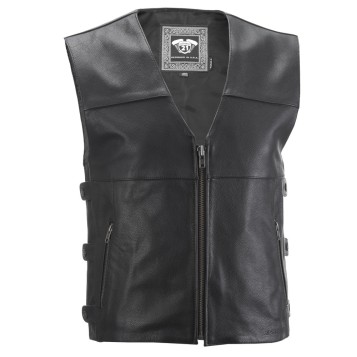
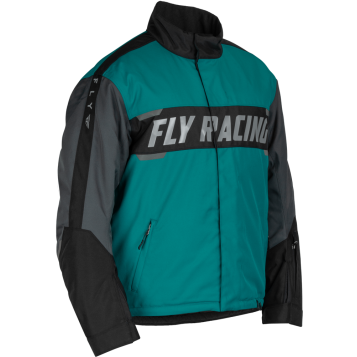
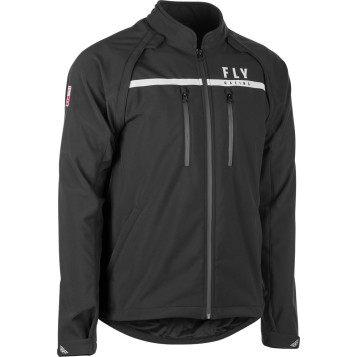
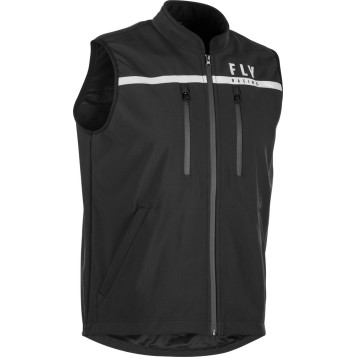
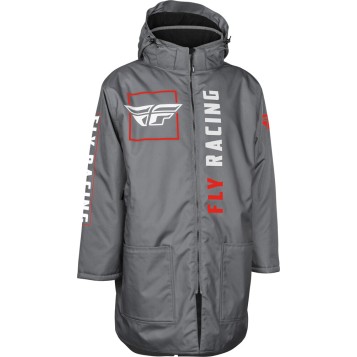
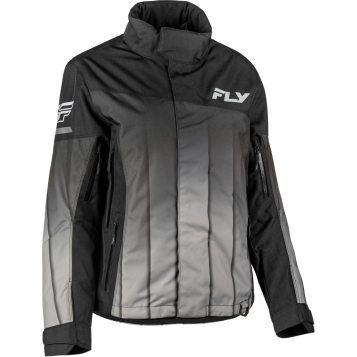
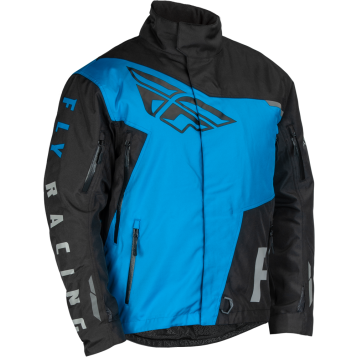
Showing 1 to 46 of 46 (1 Pages)
Motorcycle jackets are riding outerwear built around abrasion-resistant material and armor pockets at the shoulders, elbows and back. Leather resists sliding on pavement better than woven fabric. Textile and mesh trade some of that abrasion resistance for airflow and weather protection. A vest drops the sleeves entirely for hot weather or layering. Armor itself carries its own CE rating, separate from the shell it sits in.
 Open filter
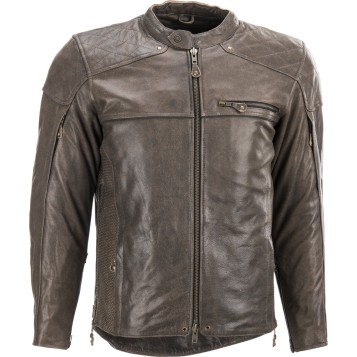
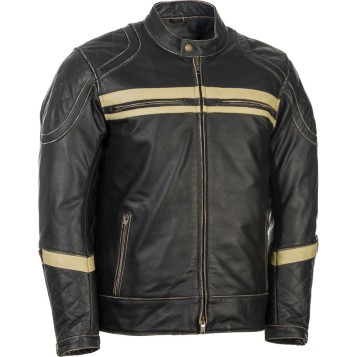
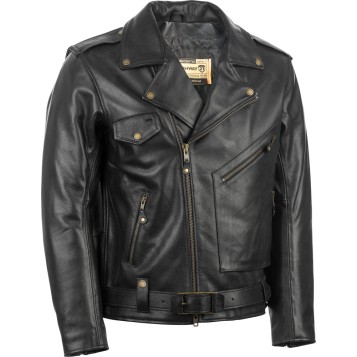
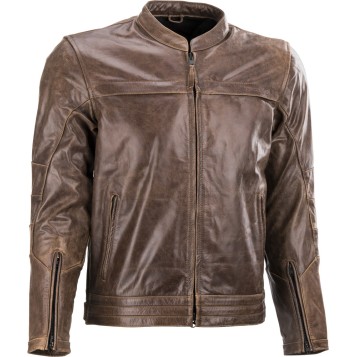
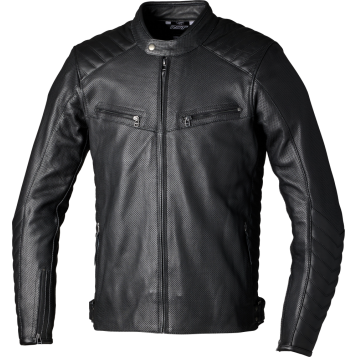
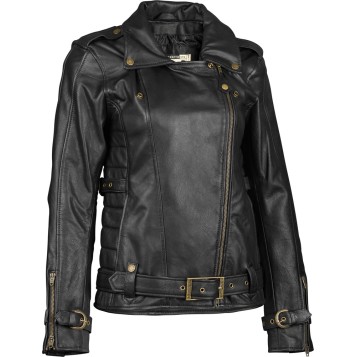
Leather motorcycle jackets are cut from cowhide leather or goatskin leather, and both resist sliding across pavement better than any woven fabric on the market. Cowhide is thicker and heavier, goatskin is lighter and more supple out of the box, but a stiff new leather jacket needs a break-in period before it moves with you instead of against you. Give it a few rides of normal wear and it softens up as it breaks in, molding to your shoulders and elbows over time.
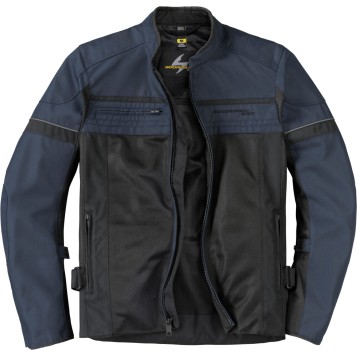
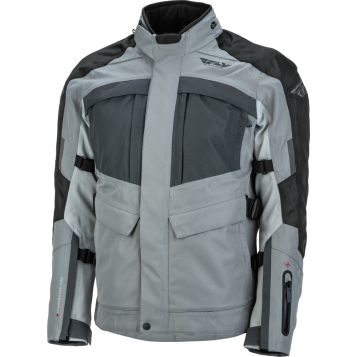
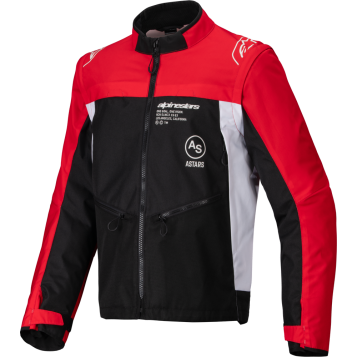
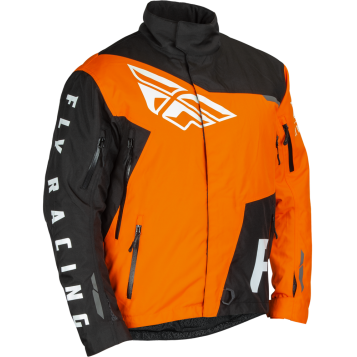
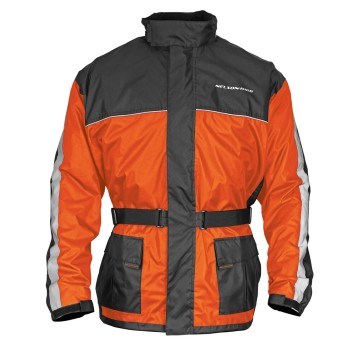
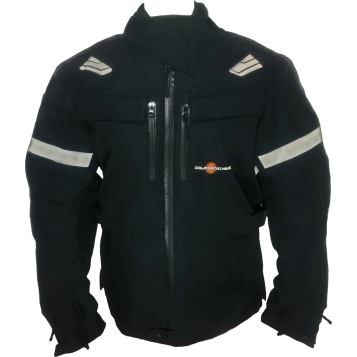
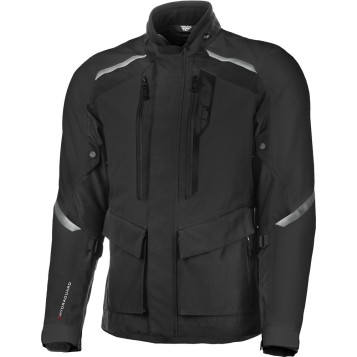
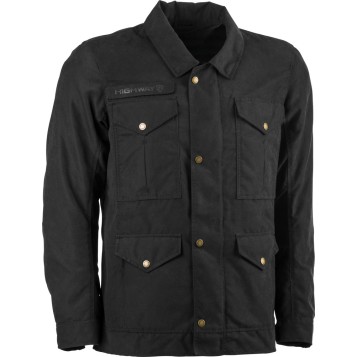
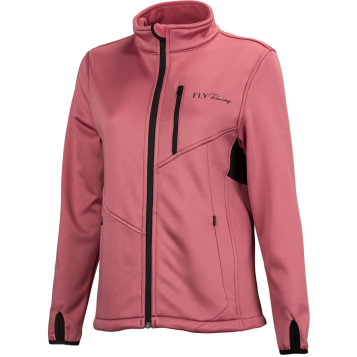
Textile motorcycle jackets use woven fabrics like 600D textile, Cordura or ballistic nylon, trading some abrasion resistance for weather protection and stretch. These fabrics need no break-in period and flex from the first ride, and a textile shell with a decent denier count shrugs off road grime that would work into leather over a few seasons of daily riding.
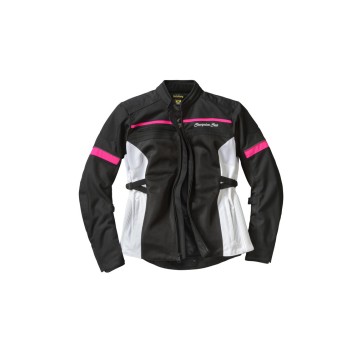
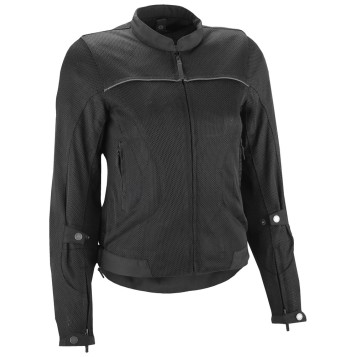
Mesh motorcycle jackets swap solid panels for mesh fabric and mesh ventilation panels, built for a hot summer commute where airflow matters more than a sealed shell. Perforated leather sits between the two, keeping cowhide's road rash protection while cutting holes for air to move through. If stiffness is what worries you but you still want that level of abrasion resistance, leather motorcycle jackets in perforated cuts are worth a closer look before you rule leather out.
Wearing a new leather jacket around the house for short stretches before your first ride can speed up the break-in.
CE armor ratings on a jacket listing describe two separate things: the class the finished garment is tested to, and the level the individual pad inside it earns on its own. Both numbers show up in different places on a spec sheet and answer different questions about the same jacket.
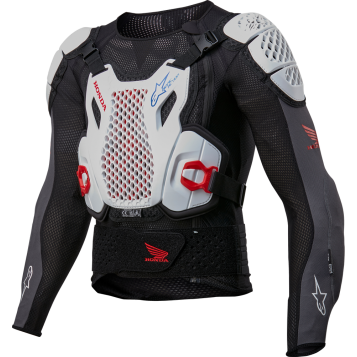
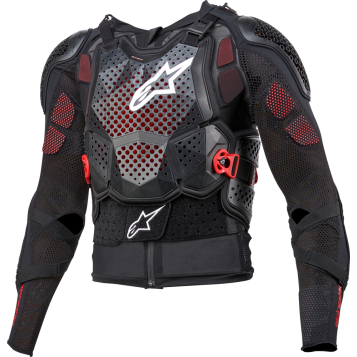
Our protective riding gear covers back protectors and other armor pieces sold on their own, for anyone who wants to add protection a jacket does not already include.
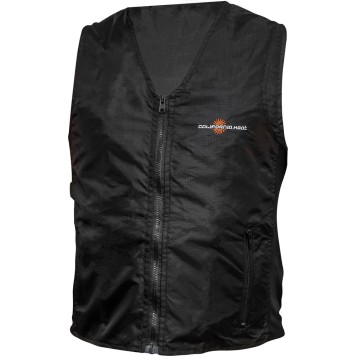
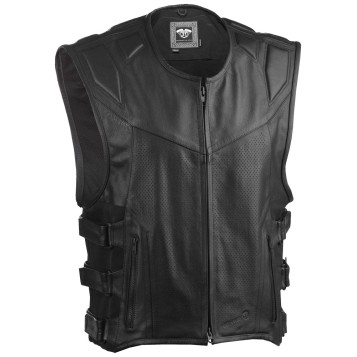
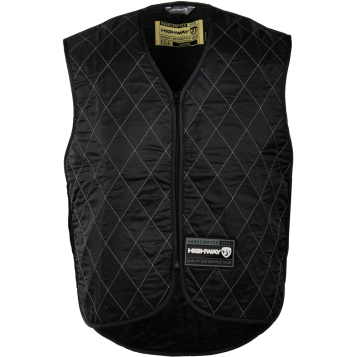
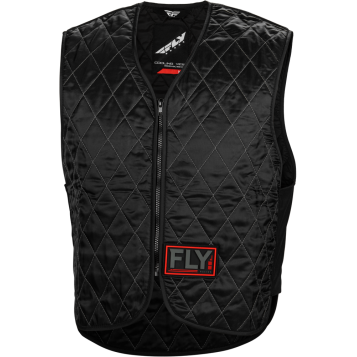
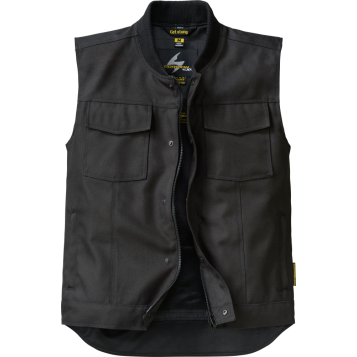
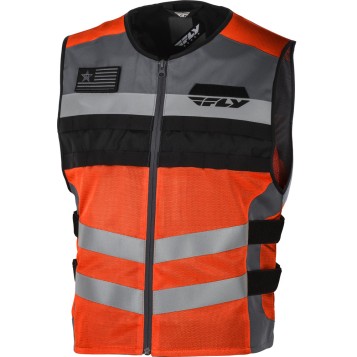
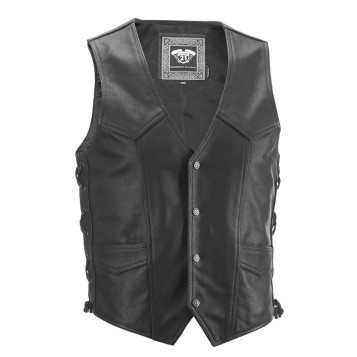
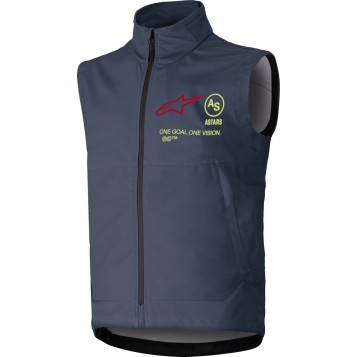
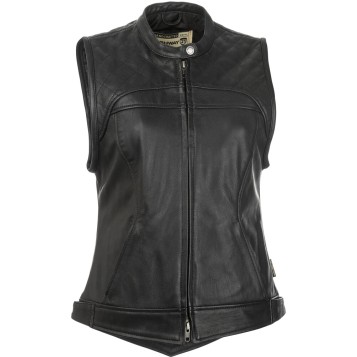
Motorcycle vests skip the sleeves entirely, cutting down on heat in stop and go traffic while still covering the torso. An armored riding vest holds armor pockets at the back and sometimes the chest, and some models add a concealed carry pocket for riders who want one. Layering a vest over a base layer or a mid layer jacket gives you a way to add or drop warmth without swapping the whole outer shell.
What a vest does not do is cover your arms and forearms, and that tradeoff matters most on a highway spill. A slide at speed puts a lot of the impact on the outside of the arms, and a vest leaves that skin bare no matter how good its back armor is. Riders who stay around town at lower speeds might be fine with that tradeoff; riders who log real highway miles usually find the sleeves earn their keep. Our riding gear vests run from plain leather to armored builds, worth a look once you know which side of that tradeoff fits your riding.
Motorcycle jacket sizing starts with two measurements, chest and waist, checked against the size chart for jackets in the product details rather than the shirt size you'd normally grab off a rack. A riding jacket needs a true to size fit through the shoulders and chest so armor sits over your joints instead of sliding, but it should still allow a full reach forward for the riding position, not the standing position you'd use to judge a dress jacket.
Look for articulated, pre-curved sleeves, since they carry a built-in bend at the elbow that keeps the jacket from binding when your arms are out on the bars. Adjustable waist straps, hook and loop cuffs and hem adjustment let you dial in a looser shell over a snugger base layer, which matters more in cold weather than in summer. Gender-specific cuts change where a jacket is roomy and where it's tapered, and our women's motorcycle jackets are built on a different block than the men's cuts, not just a smaller version of the same pattern. Riders who need a longer torso or sleeve should look for a model that lists tall sizes, and plus size motorcycle jackets are worth checking against their own chart rather than assuming a standard run just stops short.
Vents, liners, weight and size runs show up again and again across these jackets, and the table below lines each one up against the riding problem it actually solves so you can pick by need instead of by photo.
| Feature or condition | What it solves | When it matters |
|---|---|---|
| Zippered vents and mesh ventilation panels | Lets heat and airflow through the shell | Stop and go traffic and a hot summer commute |
| Removable thermal liner | Adds a warm layer you can zip out on demand | Cold morning starts and the winter riding season |
| CE armor pockets | Hold shoulder, elbow and back armor in place | Worth checking even on a jacket that ships without armor included |
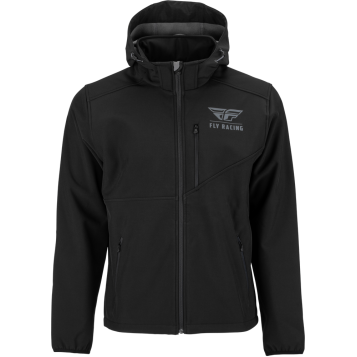
| Jacket weight (0.3 lb to 14.7 lb across these styles) | Trades bulk for insulation and abrasion resistance | Light softshell layers for warm rides, heavier leather builds for touring and cold |
| Tall and plus size runs | Adds length or width beyond a standard chart | Riders whose torso, sleeve or waist run outside standard sizing |
If ventilation is the deciding factor for your rides, mesh motorcycle jackets push airflow further than a jacket with just a few zippered vents.
Leather care for cowhide or goatskin comes down to keeping the hide from drying out. A leather conditioner applied every few months, more often if you ride through rain or heavy sun, keeps the fibers flexible and helps the jacket resist cracking. Wipe off road grime and let the leather dry naturally before conditioning it.
Cleaning a textile motorcycle jacket starts with checking the care label, since a washing machine can strip the DWR coating that keeps water beading off the surface. A damp cloth with mild soap handles most road grime without touching the waterproof membrane underneath. Reapply a DWR treatment afterward if the jacket has stopped beading water the way it used to.
A waterproof motorcycle jacket keeps rain out through a sealed membrane, while a water resistant shell only slows moisture down until it eventually soaks through in a long, hard rain. The membrane in a waterproof jacket is usually named in its own product details, since not every textile shell carries one. A short shower asks a lot less of a jacket than a rainy interstate run does.
Some jackets include a jacket-to-pant zip connection that joins the jacket to matching riding pants, closing the gap where wind and rain otherwise get in. That connection only works with pants built to the same zip, so check the product details on both pieces before counting on it. Our motorcycle pants note where a pair is built to zip to a jacket this way.